In 2001, the 9/11 attacks created an instant paradigm shift for the commercial airline industry. In 2020, the SARS-CoV-2 virus, better known as COVID-19, wrought a similar impact on societies worldwide. In both cases, businesses and governments struggled with the wide-ranging effects and the precipitous onset of bureaucratic attempts to counter or mitigate them. There’s no need to recount the sordid history of both cases. Even today, 50 percent of the businesses that closed their doors during the COVID pandemic have not reopened.
But consider this: Could the airlines have fared differently if, early on, they had treated the terrorist hijackings as a quantum shift in their external environment and immediately set about creating new strategies for succeeding in a now-hostile business environment? Could governments have better weathered the COVID-19 storm and done less damage to their societies with a carefully considered strategy for dealing with the pandemic?
The lesson of both these examples is that a well-developed strategy was lacking in both cases. In fact, it’s probably safe to assume that nobody even thought about creating a strategy at that point. There are two possible reasons for this. First, each case was a chaotic emergency that drew everyone’s attention to current events of the time. Nobody even thought about strategy while the house seemed to be burning down. Second, everybody who could even spell “strategy” had a concept of it as abstract, requiring much time and effort to develop and too unresponsive to the need at hand.
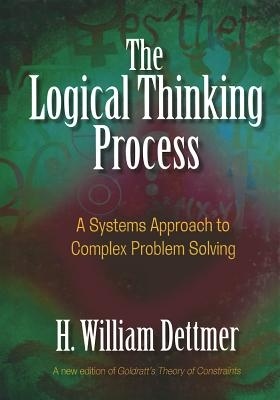
Nothing could be farther from the truth. Yes, people, especially leaders, made those assumptions. And they were wrong. As I’ve pointed out in two of my books, Strategic Navigation: A Systems Approach to Strategy Development and Deployment and The Logical Thinking Process: A Systems Approach to Complex Problem Solving, strategy need not be either ponderous or unresponsive to radical changes in the external environment. The Logical Thinking Process is equally effective in strategy development and problem-solving.
How about your situation? In this post-COVID world, doesn’t worldwide inflation pose an equally dramatic paradigm shift? What about the increasing threat of international war? Wouldn’t you think that most commercial for-profit and government organisations could benefit from creating a coherent direction for themselves over the next several years (not to mention a way to get to their goal)?
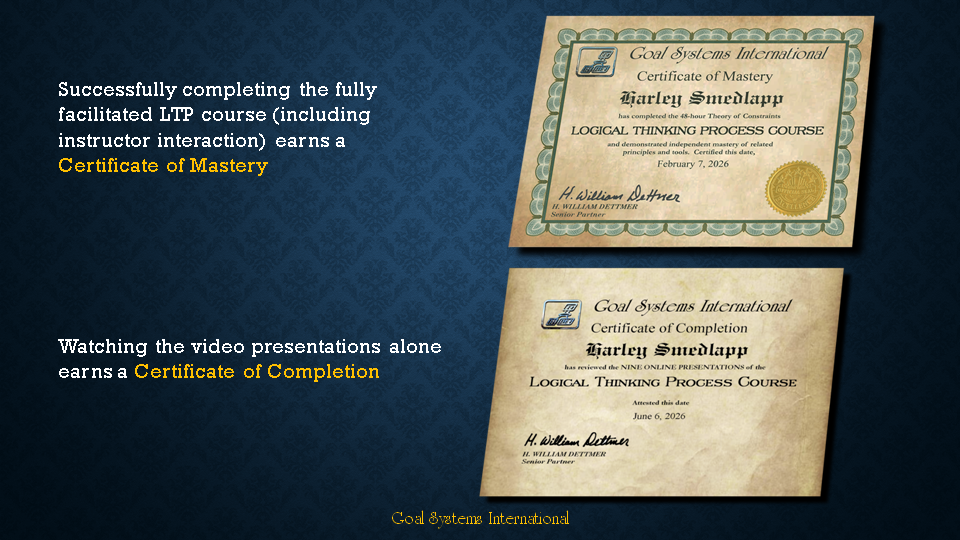
If there were any time for a robust, flexible approach to strategy creation and deployment, that time is undoubtedly now. Sure, the environment is constantly changing. All the more important is that such an approach can “turn on a dime,” revamping rapidly to accommodate emerging events. The Logical Thinking Process is probably the most effective, proven way of doing that. Whatever your professional speciality or your position in your organisation, your future work will likely involve — maybe ever require — strategic thinking and the ability to regroup and redirect quickly. So, what are you waiting for? Time’s wasting. Get busy and start learning the Logical Thinking Process. The livelihoods you save may include your own!